
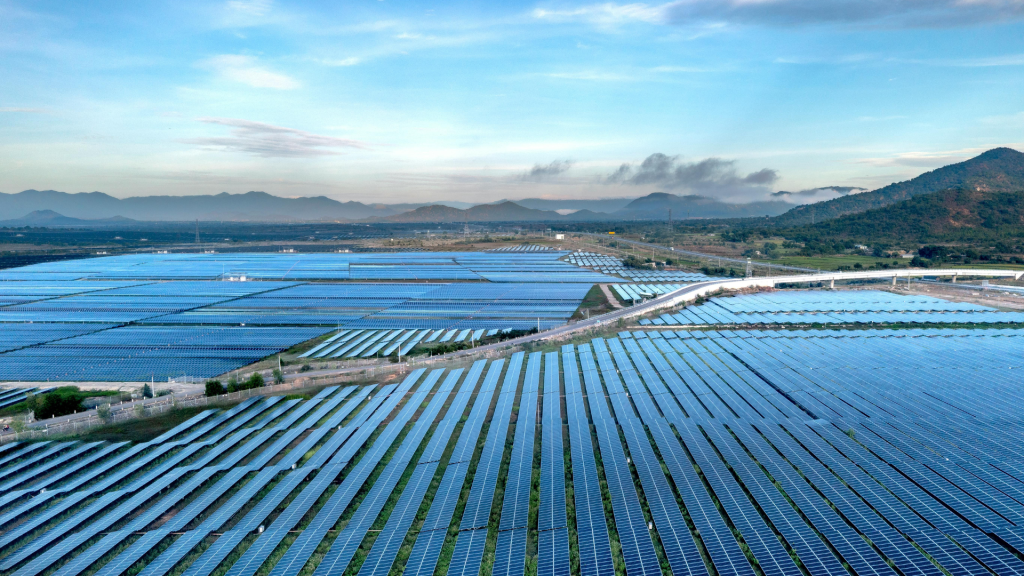
So it’s no surprise that the country is experiencing a real solar boom. By late 2025, over 500 photovoltaic plants were officially registered. On top of that, nearly 2,800 smaller “consumer-producer” connections were recorded. Production soared from just 17 GWh in 2016 to over 1,000 GWh in 2025. The 2026 plan alone envisages 59 new solar plants worth more than €2.1 billion.
But here’s the challenge: the old electricity grid wasn’t built for this. It was designed for one-way power flow, from big central plants to consumers. Solar power is variable – it depends on the weather and the time of day. That creates pressure on a system that needs to stay stable and reliable. The good news? Major investments are on the way. Over €347 million will be spent on the distribution network between 2026 and 2030. Medium- and low-voltage lines – where most solar connects – get a big chunk of that. At the same time, new cross-border transmission lines are planned. These include the Bitola–Elbasan line and a new Tetovo–Prizren link. A new transformer station in the southeast will also strengthen regional ties.
Why does this matter for investors and energy players? Because a modern grid turns solar potential into a real advantage. Without it, growth hits a wall. With it, North Macedonia can export excess power, import when needed, and keep the lights on. In short, grid modernization isn’t just technical – it’s the key to making the solar boom sustainable.
More on this in the article by Bogdan Šarović, Associate in the JPM Skopje office.
